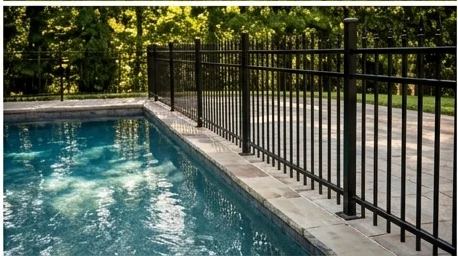
Wrought Iron vs. Aluminum Fencing: Which One Fits Your Property
Wrought Iron vs. Aluminum Fencing: Which One Fits Your Property - a guide from Cookeville Fence Co., serving the Upper Cumberland region of Tennessee.
Ornamental metal fencing gives a property a clean, finished look that wood and vinyl can't match. But "ornamental" covers two very different materials: traditional wrought iron and modern aluminum. They can look almost identical from the street, which is exactly why so many homeowners compare them before they buy. Here's how they actually differ, and how to think about which one makes sense for your yard.
What "Wrought Iron" Usually Means Today
True wrought iron is a specific, hand-worked iron alloy that was common in fencing, gates, and railings up through the early 1900s. Most of what gets sold and installed today under the name "wrought iron" is actually mild steel, shaped and welded to look like traditional wrought iron work: scrolls, finials, pickets with some visual weight to them. When people compare "wrought iron vs. aluminum" today, they're almost always comparing steel ornamental fencing to aluminum ornamental fencing, not comparing to 19th-century ironwork. That distinction matters because it changes how you should think about maintenance and cost.
Strength and Weight
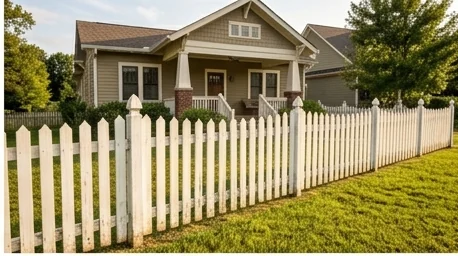
Steel (traditional-style "wrought iron") is heavier and denser than aluminum. That extra mass makes it more resistant to impact and better suited to situations where security or containment strength matters: larger livestock enclosures, pool barriers in high-traffic areas, or properties where a vehicle or heavy branch might strike the fence line. Aluminum is lighter by a wide margin. That makes it easier to install on uneven ground and easier on posts and footings, but it will bend or deform under an impact that steel would shrug off.
For most residential jobs, ordinary yard boundaries, pool codes, front-yard curb appeal, aluminum's strength is plenty. Steel's extra strength really earns its keep in commercial, agricultural, or high-security settings.
Rust, Corrosion, and Maintenance
| Quality | Steel (wrought-iron style) | Aluminum |
|---|---|---|
| Strength and weight | Heavier and denser, resists impact, shrugs off strikes that would deform aluminum | Lighter by a wide margin, will bend or deform under a hard impact |
| Rust and corrosion | Rusts once the coating is scratched, chipped, or worn thin | Does not rust, an oxide layer protects it from corrosion |
| Maintenance | Periodic inspection plus touch-up paint or rust-inhibiting primer on exposed metal | Minimal attention, no repainting, holds its finish |
| Appearance | Looks slightly heavier and more substantial up close | Matches the same profiles and powder-coat finishes while staying lightweight |
| Installation on uneven ground | Heavier, harder on posts and footings | Easier to install on uneven ground, easier on posts and footings |
| Typical use | Commercial, agricultural, and high-security settings, larger livestock enclosures | Ordinary yard boundaries, pool enclosures, front-yard curb appeal |
This is the biggest practical difference between the two materials. Steel is iron-based, so it rusts once the protective coating gets scratched, chipped, or just wears thin over the years. A well-coated, properly maintained steel fence can look great for a long time, but it needs periodic inspection and touch-up paint or rust-inhibiting primer on any exposed metal, especially at welds, cut ends, and ground contact points.
Aluminum doesn't rust. It forms a thin oxide layer that protects it from corrosion, so it holds up in wet climates, near sprinklers, and along tree lines without the upkeep steel demands. That matters here in the Upper Cumberland, where humidity, seasonal rain, and plateau moisture are just part of the climate. If low maintenance is what you want, aluminum beats steel here. No amount of careful painting closes that gap.
Appearance
Both materials can be made with similar profiles, scrolls, finials, and picket spacing, so from a distance they're hard to tell apart. Steel tends to look slightly heavier and more substantial up close, which some homeowners prefer for historic homes or formal entries. Aluminum fencing has come a long way in matching that same look while staying lightweight, and it comes in the same range of black, bronze, and other powder-coat finishes. If you want classic ornamental curb appeal without the rust risk, aluminum usually gets you 90% of the look for a fraction of the long-term upkeep.
Cost Considerations
We won't quote numbers here. Material costs, gate hardware, site prep, and labor all vary by project and by market conditions at the time you buy. In general, steel/wrought-iron-style fencing costs more than aluminum for a comparable style and length, partly because of the material's weight and partly because of the extra labor welding and finishing heavier steel components takes. Aluminum is often the more affordable of the two ornamental options and still gives you a high-end look. The only way to get real numbers for your property is a site-specific estimate, since terrain, gate count, and fence length all move the total. For a broader look at how different materials stack up on cost, see our Tennessee fence cost guide.
Which One Should You Choose
A few questions can help you decide.
- Do you want the lowest possible long-term maintenance? Aluminum is the easier choice. No rust, no repainting, and it holds its finish with minimal attention.
- Do you need maximum impact resistance, for livestock, high-security perimeters, or areas prone to physical contact? Steel's extra strength and weight are worth the added upkeep.
- Is this a pool enclosure or front-yard accent fence? Both materials handle typical ornamental fencing needs here, and aluminum's corrosion resistance is usually the more practical pick for pool environments, where splashing and humidity never let up.
- Are you matching a historic or traditional-style home? Either material can be styled to fit, but talk through profile options with whoever is installing it so the scale and detail work with the house.
If you're weighing ornamental metal against other materials entirely, our ornamental iron fencing page and wood fencing page break down how those options compare on style and upkeep too.
Getting It Installed Right
Whichever material you land on, the fence is only as good as the installation. Posts need to be set to the correct depth for your soil, panels need to be leveled across uneven grade, and gates need properly sized hinges and hardware to carry their weight over time without sagging. That's true of both aluminum and steel, but it matters even more with heavier steel gates, where undersized hardware is a common failure point.
If you're deciding between wrought-iron-style steel and aluminum fencing, or just want a straight answer on what makes sense for your property, call us for a free estimate. We'll walk the property, talk through what you're trying to accomplish, and give you options that fit your site instead of a one-size-fits-all recommendation. You can also see our full range of options on our fence installation services page.
Fencing a pool specifically? Pool fence installation in Cookeville covers the barrier requirement and the gate hardware that goes with it.
Request a Free Estimate
Fill this out and we'll get back to you, or call or text (931) 651-8856.