DIY vs. Hiring a Fence Contractor in Tennessee
DIY vs. Hiring a Fence Contractor in Tennessee - a guide from Cookeville Fence Co., serving the Upper Cumberland region of Tennessee.
Putting up a fence looks simple from the road: dig some holes, set some posts, hang some panels. Once you're standing in the yard with a post-hole digger, the picture usually gets more complicated. Tennessee's mix of rocky subsoil, clay, and uneven ground can turn a weekend project into a multi-weekend project fast. Before you decide which way to go, it helps to look honestly at what each route actually involves.
What DIY Really Takes
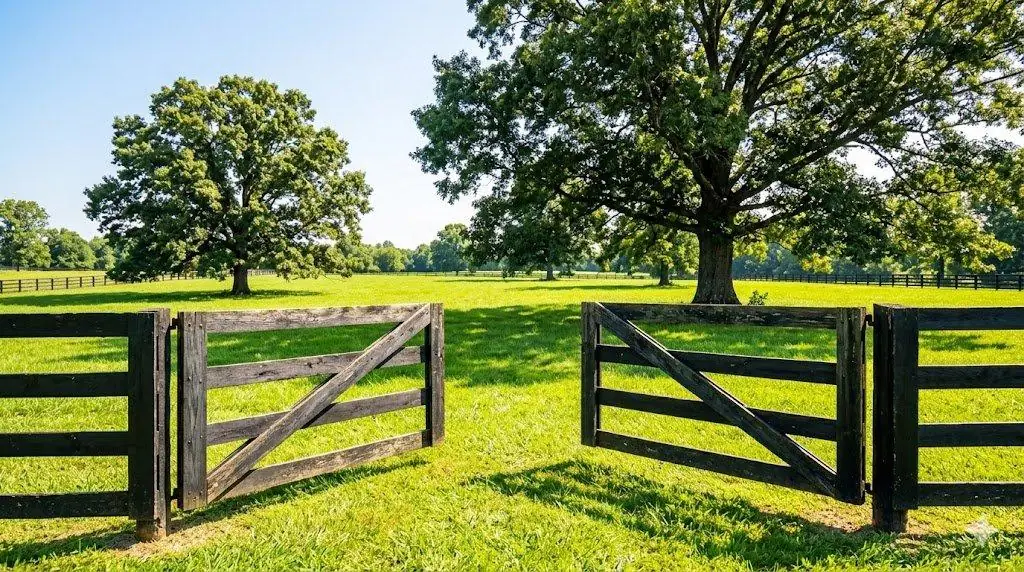
A DIY fence can work well for short runs, simple layouts, and materials that forgive small mistakes, like a basic split-rail farm fence on flat, open ground. But it takes more than most first-time installers expect.
- Correct layout and grading. Property lines, setback rules, and drainage all affect where a fence can go and how well it holds up. A fence set on the wrong side of a line is a problem you don't find out about until a survey or a neighbor dispute.
- Digging through what's actually in the ground. Soil in this part of Tennessee is not uniform. Some lots dig easily. Others fight you the whole way with rock and clay. Renting the right equipment, and knowing how to use it, is part of the job.
- Post depth and concrete work. Posts set too shallow or without enough concrete can lean, heave, or fail over time, especially through freeze-thaw cycles, and the problem is often invisible until the fence starts moving.
- Getting materials level, plumb, and square over a long run. A short stretch of fence hides small errors. A long one does not.
- Locating utilities before you dig. Underground lines are not always where you'd expect. This step isn't optional, and skipping it can be dangerous as well as expensive.
If you have the time, the physical stamina for a lot of digging, and a project that's small in scope, DIY can save money on labor. If any of those aren't true, the math changes quickly.
What a Contractor Adds
Hiring a contractor isn't just about someone else doing the digging. It changes a few things about the project itself:
- Experience reading the ground. A crew that installs fences regularly has a feel for how a given lot will behave before the first hole is dug, and adjusts methods accordingly instead of finding out the hard way.
- Proper equipment. Powered augers, tampers, and the right hand tools make a difference in both speed and post stability, and most homeowners don't own this equipment or need to for a one-time project.
- Permit and boundary awareness. Requirements vary by county and by city. A contractor who works in the area regularly knows what's expected and can help you sort out who to call.
- Fewer costly redos. Ordering the right amount of material, spacing posts correctly, and hanging gates so they swing properly the first time means you're not paying twice.
- Time. What might take a homeowner several weekends, working around weather and other obligations, a crew can usually complete in a much shorter, more predictable window.
The tradeoff is straightforward. You're paying for labor, equipment, and experience, and you get a faster timeline and a fence that's less likely to need rework.
Questions to Ask Yourself First
A few honest questions can help point you toward the right choice for your situation:
- How long is the fence run, and how much of it is on uneven or wooded ground?
- Do you know your property lines with certainty, or would a mistake there be costly to fix?
- Do you have access to the equipment needed, or would you be renting it for a single use?
- Is this a material that tolerates small imperfections, like split rail, or one where imperfect work is highly visible, like ornamental iron or vinyl?
- Does the property have gates, slopes, or corners that complicate layout?
- How much is your own time worth against the labor cost of hiring it out?
There's no universally right answer. A short, flat run of basic fencing on a lot with well-documented boundaries is a reasonable DIY candidate for someone comfortable with tools and manual labor. A long run, sloped or rocky ground, unclear property lines, or a material where fit and finish matter all shift the balance toward hiring it out.
A Middle Ground
Some homeowners split the difference. They hire a contractor for layout, post setting, and gates, the parts where mistakes are hardest to undo, then handle simpler finish work themselves. Not every contractor offers this kind of arrangement, but it's worth asking about if budget is a factor and you're comfortable doing some of the work yourself.
It's also worth remembering that repair is often more disruptive than installation. A fence that was rushed or under-built the first time tends to need repair work sooner, and pulling out failed posts is harder than setting new ones. Getting it right the first time, whichever route you take, tends to be the cheaper path over the life of the fence.
Getting an Honest Estimate
Whether you end up doing the work yourself or hiring it out, it helps to know what a properly installed fence actually involves before you start. Our guide to fence costs in Tennessee walks through the factors that affect pricing, and our installation services page covers what a full-service install includes.
If you'd rather talk through your specific property and get a straight answer on what makes sense, call us at (931) 651-8856 for a free estimate. There's no pressure either way, just an honest read on your project.
Decided to hire out? See what to ask a fence company in Cookeville before you sign anything.
Request a Free Estimate
Fill this out and we'll get back to you, or call or text (931) 651-8856.