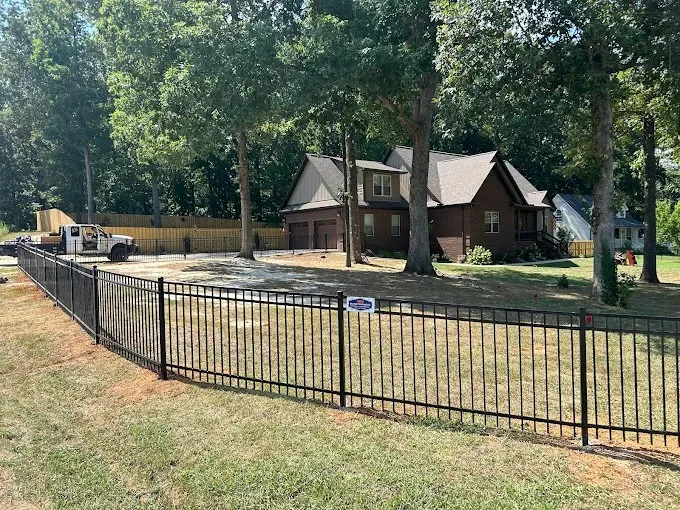
Fence Post Installation in Karst and Sinkhole-Prone Ground: What Overton and Putnam County Property Owners Should Know
Fence Post Installation in Karst and Sinkhole-Prone Ground: What Overton and Putnam County Property Owners Should Know - a guide from Cookeville Fence Co., s...
Cookeville sits on the Eastern Highland Rim, just west of the Cumberland Escarpment. The soil under most of it belongs to the Bodine-Baxter-Mountview association: rocky, cherty subsoil that fights a post-hole digger a lot harder than the deeper, softer ground of the Nashville Basin an hour west. Add karst terrain to that picture, and fence installation in this part of the Upper Cumberland gets more technical than driving posts in a straight line. If you're planning a fence anywhere between Cookeville and Livingston, it pays to know what's happening under your yard before the crew shows up with an auger. A drain field is the other subsurface limit on post placement. See septic drain fields and where fence posts can go.
Karst is landscape shaped by dissolving limestone bedrock. Over a long enough timeline, water works through the rock and creates sinkholes, sinking streams, and underground drainage that never shows up on the surface until it does. Overton County is a confirmed karst region, with documented sinkholes and sinking streams and a real feature called The Boils, a spring on Spring Creek that's a visible result of this underground plumbing. If you own property in or around Livingston or the surrounding Overton County area, your yard may well have karst characteristics even if you've never seen a sinkhole open up on it.
Cookeville has its own version of this issue, and the city has taken it seriously enough to document it formally. Cookeville participates in FEMA's Community Rating System floodplain program and has held a Class 9 rating since 2014. The city has also published a Sinkhole and Floodplain Report addressing the interaction between karst features and flood-prone ground in the area. That's public record, not a marketing claim, and it tells you something useful: the ground beneath Cookeville isn't uniform, and floodplain behavior and sinkhole activity are connected here in a way they aren't in most of Middle Tennessee.
Why This Matters for Setting Fence Posts
None of this means you can't install a fence on karst or sinkhole-prone ground. It means digging and setting posts benefits from a little more attention up front. A few practical realities:
- Rocky, cherty subsoil in the Bodine-Baxter-Mountview association can turn what looks like a routine post hole into a slow go, since the auger hits chert fragments and rock instead of clean soil the whole way down.
- Ground with karst characteristics can have inconsistent bearing capacity from one post hole to the next. Two holes ten feet apart can behave completely differently if one sits over solid rock and the other sits over a void or soft infill.
- Low spots inside Cookeville's documented floodplain areas need posts and hardware that can handle periodic standing water without rotting or corroding prematurely.
- A visible depression, a soft spot that never firms up, or standing water that shows up in the same corner of the yard after every heavy rain: mention these to whoever is doing your layout before the first hole is dug.
We're not soil engineers. If you have a confirmed sinkhole or a serious drainage problem on your property, talk to a geotechnical professional, not a fence installer. What we pay attention to is what the ground is actually doing where the fence line runs, and we adjust post spacing, depth, and setting method accordingly instead of treating every yard in Putnam or Overton County like it's the same as a yard in the Nashville Basin.
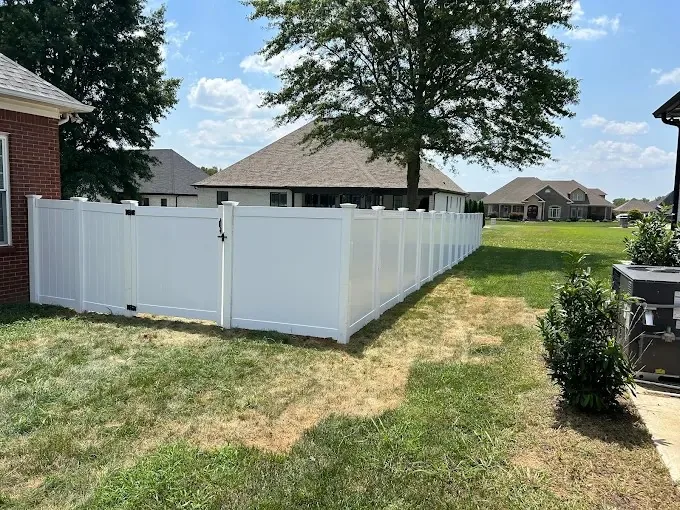
Permits and Who to Call Before You Dig
| Where the property sits | Who handles permitting |
|---|---|
| Inside Cookeville city limits | City of Cookeville Planning Department |
| Unincorporated Putnam County | Putnam County Codes and Planning Department, under the 2018 ICC codes |
| Inside Livingston city limits | Livingston City Hall |
| Overton County outside Livingston | No county-wide building code |
Where you fall for permitting depends on which side of a city line your property sits on. Inside Cookeville city limits, the City of Cookeville Planning Department handles permitting. Outside city limits in unincorporated Putnam County, it's the Putnam County Codes and Planning Department, which works under the 2018 ICC codes. In Overton County, the county itself has no county-wide building code outside Livingston's city limits, but inside Livingston, City Hall is the point of contact for permits. That's a real distinction if you're trying to figure out who to call before you start.
If your property sits near a historic district, in particular downtown one of Cookeville's historic zoning districts, including North Dixie Avenue, East Broad and Freeze Street, Cream City, and East 8th Street, check with the city planning department before installing a fence. We haven't found confirmed, published fence-specific ordinance language for either district, so we won't claim one exists. But historic-district properties in general tend to have review processes, and a phone call before you commit to material or placement is worth your time.
What This Means for Material Choice
Ground conditions don't just affect how a post goes in, they affect what holds up over time. On sites with rocky subsoil or floodplain exposure, the post material and setting approach matter more than they would on straightforward, well-drained ground. Ornamental iron and properly treated wood fencing both have a track record in this region, but the right choice depends on your specific site, your budget, and what the fence needs to do. If you're fencing agricultural or livestock ground in the county's cattle and horse farming areas, a split-rail farm fence is worth a look for its own reasons, separate from the karst conversation.
None of this is a reason to avoid fencing a property in Cookeville, Livingston, or anywhere else in Putnam or Overton County. It's a reason to have someone look at your specific ground before quoting a price or a timeline. If you want a straight answer about what your yard is doing and what it will take to set posts that hold, our installation team can walk the property with you and tell you what we see. You can also get a sense of typical cost drivers on our fence cost guide, or reach out directly to talk through your specific lot.
Request a Free Estimate
Fill this out and we'll get back to you, or call or text (931) 651-8856.