How to Read a Fence Estimate: What Should Be Included
How to Read a Fence Estimate: What Should Be Included - a guide from Cookeville Fence Co., serving the Upper Cumberland region of Tennessee.
A fence estimate should do more than give you a price. A good one tells you exactly what you're paying for, what materials will be used, and what happens if something goes wrong. A vague estimate is a warning sign, not a bargain. Here's what to look for before you sign anything.
Get the Scope of Work in Writing
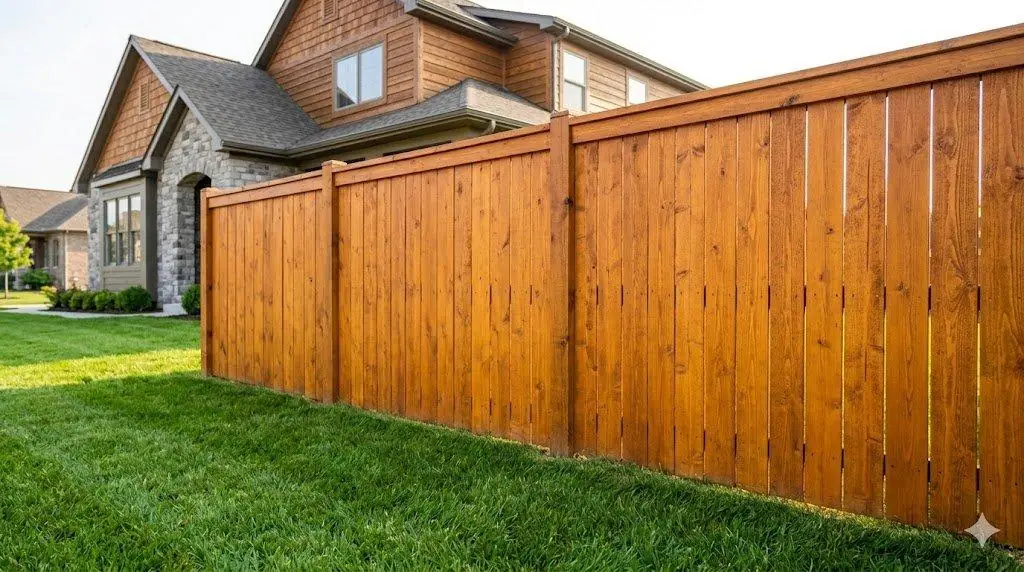
Every estimate should spell out the job itself, not just the price. That means the total linear footage of fence, the height, the style, and the exact material. "Wood fence, 150 feet" isn't enough detail. You want something closer to "150 linear feet of 6-foot cedar privacy fence, dog-eared pickets, pressure-treated posts set in concrete." If the estimate doesn't describe the job clearly enough that a stranger could picture the finished fence, ask for more detail before you agree to anything.
The scope should also note what isn't included. Will the crew remove and haul away an old fence, or is that a separate line item? Will they grade or level uneven ground, or work around it? Are gates included, and how many? These are common places where a low bid turns into a higher final bill.
Materials Matter More Than the Total Price
Two estimates with the same bottom-line number can represent very different fences. A wood fence estimate should specify the wood species (cedar, pine, treated pine) and whether posts are set in concrete or just tamped soil. For vinyl fencing, ask about panel thickness and whether the posts are reinforced with steel or aluminum inserts. That affects how well the fence holds up to wind. For ornamental iron, ask whether the metal is powder-coated or just painted. That changes how well it resists rust over time.
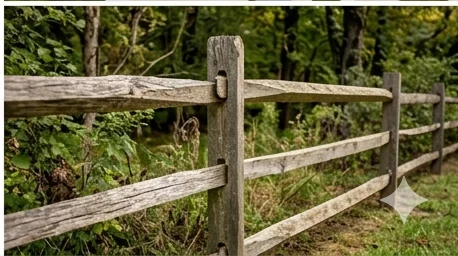
If you're fencing pasture or acreage, a split-rail or farm fence estimate should note post spacing and whether wire mesh or electric line will be added. Contractors sometimes quote those separately from the rail material itself. For chain link, check the gauge of the fabric and whether the top rail and posts are galvanized.
Ask a contractor to explain any material spec you don't recognize. A company that can't or won't explain what they're quoting isn't one you want handling your project.
Understand the Labor and Timeline Terms
Ask how many days the crew expects the job to take and what could push that timeline out, like weather, rock hit while digging post holes, or utility locate delays. A contractor doesn't need to promise an exact date, but they should walk you through what affects scheduling. Also ask whether the crew that gives the estimate is the same crew that does the work, or whether the job gets subcontracted. That affects accountability if something goes wrong.
Look for Permit and Utility Locate Responsibility
Fence installation often requires a call to have utility lines located before digging, and depending on your city or county, it may require a permit. A trustworthy estimate states clearly who's responsible for scheduling the utility locate and who's responsible for pulling any required permit, you or the contractor. If the estimate is silent on this, ask directly. Skipping a required permit or digging without a locate creates real liability for a property owner, not just the contractor.
Ask About Warranty Terms Directly
Warranty terms vary widely by contractor and by material. Don't assume anything based on what you've heard about other companies. Ask what's covered (workmanship, materials, or both), how long the coverage lasts, and what would void it, like improper maintenance or storm damage. Get the answer in writing as part of the estimate or contract, not just as something you were told verbally. If a contractor is vague about warranty terms, treat that as a real signal about how they'll handle a problem after the job is done.
Compare Payment Terms, Not Just Price
Look at the payment schedule. How much is due up front, how much at completion, and whether there are milestone payments in between. A large upfront deposit relative to the job size can be a red flag. Also check whether the estimate includes a cleanup clause, meaning the crew hauls away scrap material, old fencing, and packaging instead of leaving it for you to deal with.
Red Flags Worth Walking Away From
- An estimate with no linear footage, no material specification, and just a lump-sum price
- Pressure to sign the same day, especially paired with a "special discount" that expires immediately
- No mention of who handles the utility locate or permit
- Refusal to put warranty terms in writing
- A price that seems far below every other estimate you've received, with no explanation for the gap
What a Solid Estimate Looks Like
At minimum, an estimate should include the linear footage and height of fence, the specific material and grade, the number and type of gates, who handles permits and utility locates, an estimated timeline, payment terms, and warranty coverage in writing. If a contractor's estimate covers all of that clearly, you have what you need to make an honest comparison against other bids.
Want to see how these details apply to your own property? Read our overview of fence costs in Tennessee, or browse our fence installation services and gate installation and repair pages for more on what's typically included. If you already have a fence that needs work rather than a full replacement, our fence repair services page covers what to expect from a repair estimate specifically.
If you'd like a written estimate for your property, call us for a free estimate and we'll walk you through the scope, materials, and timeline in plain terms before any work begins.
Once you have the estimates in hand, choosing between Cookeville fence companies walks through what separates one bid from another.
Request a Free Estimate
Fill this out and we'll get back to you, or call or text (931) 651-8856.