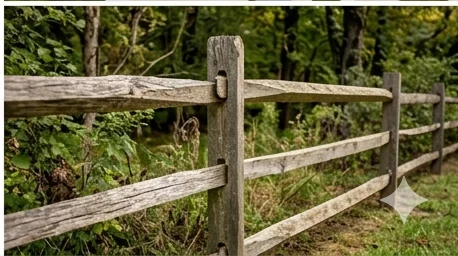
Replacing a Fence You Share With a Neighbor
Replacing a Fence You Share With a Neighbor - a guide from Cookeville Fence Co., serving the Upper Cumberland region of Tennessee.
A shared fence line comes up more than people expect. Two properties share a boundary, and at some point the fence along that line needs replacing. Maybe it's leaning, rotted, or just old enough that both of you have started avoiding eye contact with it. Handling the replacement well protects the relationship as much as the property line.
Figure Out Who Actually Owns the Fence
Before you talk about replacing a fence, figure out who owns it. Ownership usually comes down to one of a few situations:
- The fence sits entirely on one property, and that owner is solely responsible for it.
- The fence sits directly on the boundary line, and both property owners have some legal interest in it.
- A previous owner built the fence, and an informal understanding developed over the years about who maintains it.
A survey or plat map is the most reliable way to confirm where the property line actually falls. Fences don't always sit exactly on the line, even when everyone assumes they do. If there's any uncertainty, check your property survey (or order one) before starting the conversation. It saves a lot of back-and-forth later.
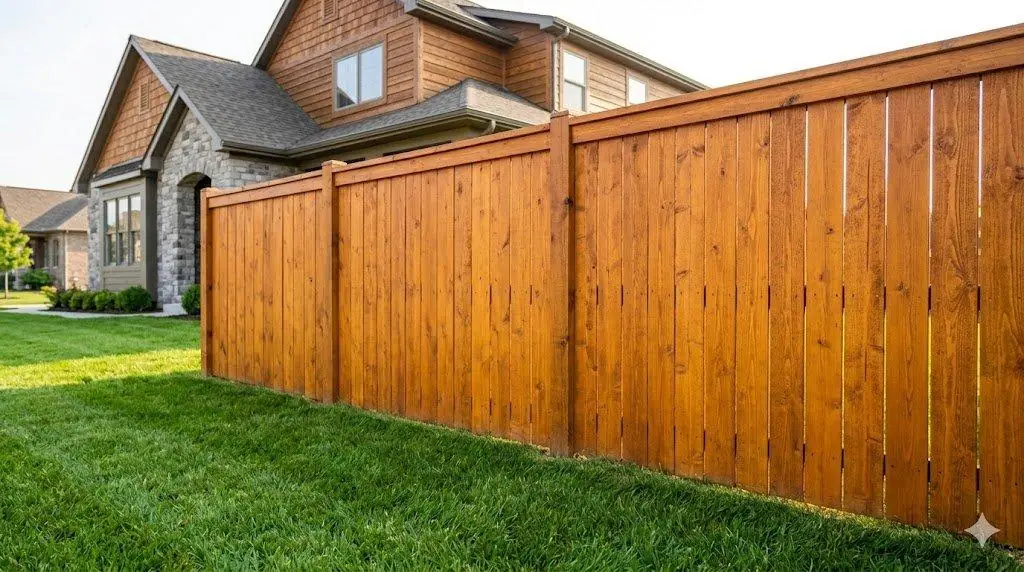
Talk to Your Neighbor First
Before you call a contractor, have the conversation. Most disputes over shared fences start when one side makes a decision alone and the other finds out when equipment shows up. A short, direct conversation covers most of what needs settling:
- Does the existing fence need to come down, or can part of it be reused?
- Who is paying, and in what proportion?
- What material and style does each side want?
- Does either side have a preference on height, color, or which side the finished face points toward?
It's common for one neighbor to prefer a style like wood fencing and the other to want something lower-maintenance like vinyl fencing. If you can't agree on material, split the cost of a straightforward option both sides can live with, or let one owner pay the difference for their preferred upgrade over a baseline you both agreed on.
Put the Agreement in Writing
Even a simple written agreement, signed by both property owners, is worth having. It doesn't need to be complicated. Note the property line location, who is paying for what, the material and height you agreed on, and who handles future repairs or replacement. This matters most if one of you sells the property later. A new owner won't know about a verbal handshake from years earlier, and a written record keeps the whole conversation from starting over with someone new.
Check Local Rules Before You Build
Fence height, setback requirements, and permit rules vary by city and county, and some neighborhoods have their own architectural or association rules on top of that. Before you order materials or schedule installation, call the local planning or codes department to confirm what applies to your address. This is true whether you're replacing an existing fence or building new, and it applies on both sides of a shared line.
Decide What Happens to the Old Fence
Removal is its own project. Old wood fencing can be brittle and heavy with age, old chain link can have sharp cut ends and buried post footings, and either can have posts set in concrete that take real effort to pull. Decide up front who is handling teardown and disposal, and make sure it's included in any quote you get. Removal and disposal cost is easy to overlook until it shows up as a surprise line item.
Match the Fence to How the Line Is Actually Used
A shared fence isn't just a boundary marker. Think about what it needs to do:
- Containing pets or livestock on one or both sides
- Privacy between two homes built close together
- Keeping the line clean and defined without blocking views, light, or airflow
- Holding up to a slope, drainage, or soil conditions along that specific stretch of property
If livestock or larger acreage is involved, a split rail farm fence is often a better fit than a residential privacy fence. If the priority is a clean, low-maintenance boundary with some visibility preserved, an ornamental iron fence is worth considering. There's no single right answer. The right material depends on what both neighbors actually need out of that fence line.
Get More Than One Estimate
Whether one neighbor is paying for the whole project or you're splitting the cost, get a written estimate before work starts. A good estimate spells out the material, the linear footage, gate locations, removal and disposal of the old fence, and an approximate timeline. Comparing a couple of estimates also gives both neighbors a shared reference point if there's any disagreement about scope or price.
If you're not sure what a fair range looks like for your project, our fence cost guide walks through the factors that affect pricing so you know what questions to ask.
When the Existing Fence Just Needs Repair
Not every aging shared fence needs full replacement. Sometimes a section is damaged while the rest of the line is sound, and fence repair is the more practical option. Have that conversation with your neighbor too. A patched repair on one side and new fencing on the other can look mismatched if the whole line was originally installed as one continuous run.
Don't Forget the Gate
If the shared line has a gate connecting the two yards, or a gate near the boundary that either neighbor uses, settle who's responsible for it the same way you settled the fence itself. A gate installation or repair is a smaller project than the fence line itself, but it's an easy detail to leave out of the agreement and argue about later.
Getting Started
- Confirm the property line. Check your survey or plat map, or order one, so both sides know where the boundary actually falls before anything else is discussed.
- Talk to your neighbor. Cover whether the old fence comes down, who pays and in what proportion, and what material, style, height, and finished-face direction each side wants.
- Put the agreement in writing. Note the line location, the cost split, the agreed material and height, and who handles future repairs, then both owners sign it.
- Check local rules. Call the local planning or codes department about height, setback, and permit requirements, plus any neighborhood association rules.
- Settle the old fence. Decide who handles teardown and disposal, and make sure it is included in any quote rather than showing up later as a surprise line item.
- Get written estimates. A good one spells out material, linear footage, gate locations, removal and disposal, and an approximate timeline, and comparing a couple gives both neighbors a shared reference point.
Replacing a shared fence goes smoothly when both neighbors agree on the basics before anyone calls a contractor: where the line actually is, who's paying, what material you want, and what happens to the old fence. Once that's settled, a professional installation keeps the project straightforward on both ends.
If you're planning a shared fence replacement and want a second opinion on materials or an honest estimate, give us a call for a free estimate. We're happy to talk through options with both property owners before anything gets scheduled.
Request a Free Estimate
Fill this out and we'll get back to you, or call or text (931) 651-8856.