How Long Does Fence Installation Actually Take?
How Long Does Fence Installation Actually Take? - a guide from Cookeville Fence Co., serving the Upper Cumberland region of Tennessee.
If you're planning a fence project, timeline is usually the second question after cost. The honest answer is that it depends on several things that vary from property to property: material, total footage, ground conditions, and the number of gates and corners. But the total time from your first call to a finished fence is almost always longer than the install itself. That's because of everything that happens before the crew ever shows up.
The Steps Before Installation Day
A fence project has several phases, and installation is just one of them:
- Estimate and design. A contractor walks the property, measures the fence line, discusses material and gate placement, and puts together a quote.
- Permit and HOA review (if applicable). Some jurisdictions and neighborhoods require approval before work begins. This can take anywhere from a few days to several weeks depending on the local process.
- Property line survey or verification. For fences going near a boundary, confirming the property line matters. Skip this step and you're inviting a dispute with the neighbors down the road.
- Material ordering. Some materials are stocked and ready to go. Others, especially custom gate hardware or certain ornamental iron profiles, may need to be special-ordered, which adds lead time.
- Utility locates. Before any post holes go in the ground, underground utility lines need to be marked. This is a safety step, not a formality, and it typically comes with a required waiting period.
- Installation. The actual physical work of setting posts, hanging panels or rails, and installing gates.
Add it up, and the gap between signing a contract and having a finished fence commonly runs several weeks, even though the installation crew itself may only be on site for a portion of that time. Anyone quoting an install date should factor in these upstream steps, not just crew labor time.
What Affects Installation Speed
Fence Material
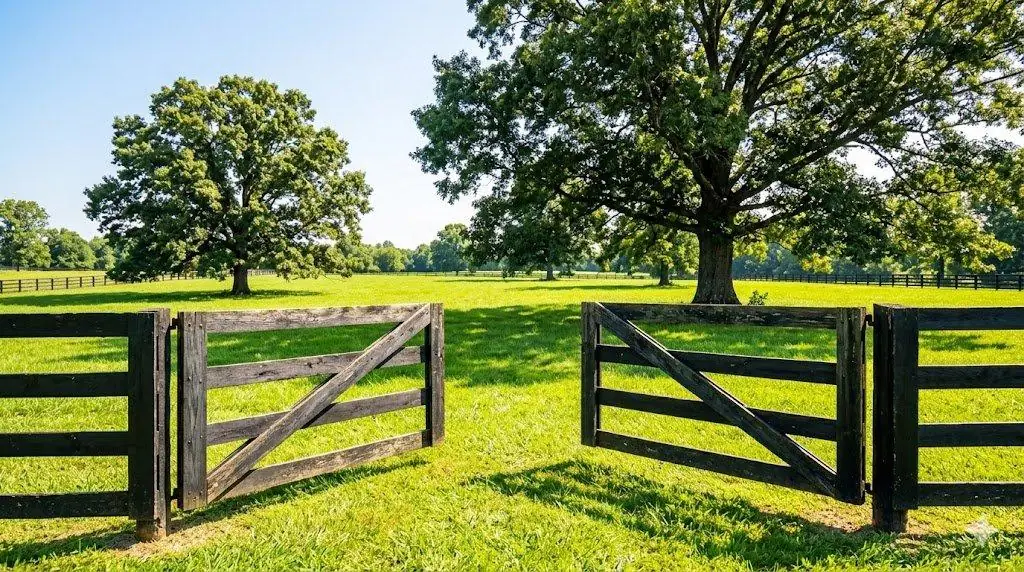
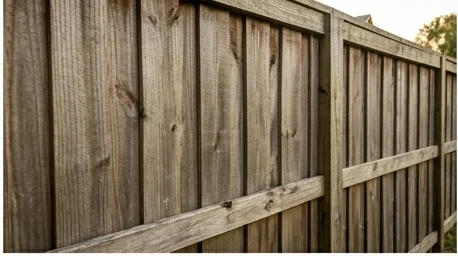
Different materials install at different paces. A chain link fence generally goes up faster than an ornamental iron fence, which often needs more precise fitting and heavier components. Vinyl fencing installs at a moderate pace once panels are on site. Wood fencing speed depends heavily on the style: a basic picket layout moves faster than a board-on-board or shadowbox design with tighter tolerances. Split rail fencing for larger rural or farm properties is usually fast per linear foot, but total time scales with how much ground needs covering.
Total Linear Footage
This is the most obvious factor. A small backyard fence might be a one-day job. A fence enclosing acreage is a different scope of work entirely, and crews often plan multi-day or multi-week schedules for larger perimeters.
Ground Conditions
Soil and subsurface conditions matter more than most homeowners expect. Rocky or dense subsoil slows down post-hole digging a lot compared to soft, loamy soil. Ground that's already saturated from rain can also slow things down, both for safety and for concrete curing around posts.
Number of Gates and Corners
Straight runs of fence go up quickly. Gates, corners, and slope transitions all take more time per foot because they need more precise measurement and adjustment. A fence line with several gates takes longer than the same footage in one continuous run.
Weather
Rain, frozen ground, or extreme heat can all push a schedule back. A reputable contractor builds some flexibility into a quoted timeline instead of promising a fixed date regardless of conditions.
What a Reasonable Timeline Looks Like
Material, footage, ground conditions, and permitting all vary too much for any contractor to honestly promise a universal number of days before seeing the property. What you should expect instead is a clear conversation, up front, about:
- What the estimate visit will cover
- Whether a permit or HOA approval applies to your project
- Expected material lead time
- A realistic install window once materials are on hand and utilities are marked
If a company can't walk you through those steps clearly, notice that. A rushed answer on timeline is often a sign of a rushed answer on other details too.
How to Keep Your Project on Schedule
A few things on the property owner's side can help keep a project moving:
- Confirm property lines and any shared boundary issues with neighbors before the estimate visit.
- Clear the fence line of debris, overgrowth, or stored items ahead of time.
- Have pets secured elsewhere on installation days.
- Ask early about permit or HOA requirements rather than after a contract is signed.
- Get any gate or access needs on the table during the estimate, not after materials are ordered.
Whether you're planning new fencing, need repair work on an existing fence, or just need a gate replaced or repaired, the timeline questions are the same: what needs to happen before work starts, and what could reasonably slow things down once it does.
For a straightforward answer on what your specific project would involve, including material options and what to expect for scheduling, call for a free estimate. You can also see general pricing factors on our fence cost guide if you're still comparing materials and budget before deciding what to install.
Request a Free Estimate
Fill this out and we'll get back to you, or call or text (931) 651-8856.